Sensory sensitivity is a hallmark of autism, yet it often flies under the radar—especially in girls. When the world feels a little louder, brighter, or stickier than it should, it can be overwhelming. In this article, we’ll unpack what are the sensory sensitivities typical in autistic girls?—and why this knowledge matters for parents, educators, and the girls themselves. We’ll keep the tone professional, sprinkle in a dash of humor, and, of course, stay SEO‑friendly by weaving the keyword naturally throughout.
Understanding Sensory Sensitivities in Autistic Girls
What is Sensory Sensitivity?
The nervous system processes information from the five senses—sight, sound, touch, taste, and smell. In autistic individuals, the brain may interpret these signals differently, leading to hypersensitivity (overreacting) or hyposensitivity (underreacting). Think of it as having a volume knob that’s stuck at a level that doesn’t match the room’s actual noise.
Gender Differences
Autistic girls often display a more nuanced pattern of sensory issues than their male counterparts. While boys may exhibit more overt hyperactivity or visual fixation, girls frequently mask or internalize their discomfort. This masking can mask (pun intended) the true extent of their sensory sensitivities. So, the answer to what are the sensory sensitivities typical in autistic girls? may look different from what we’d expect in boys.
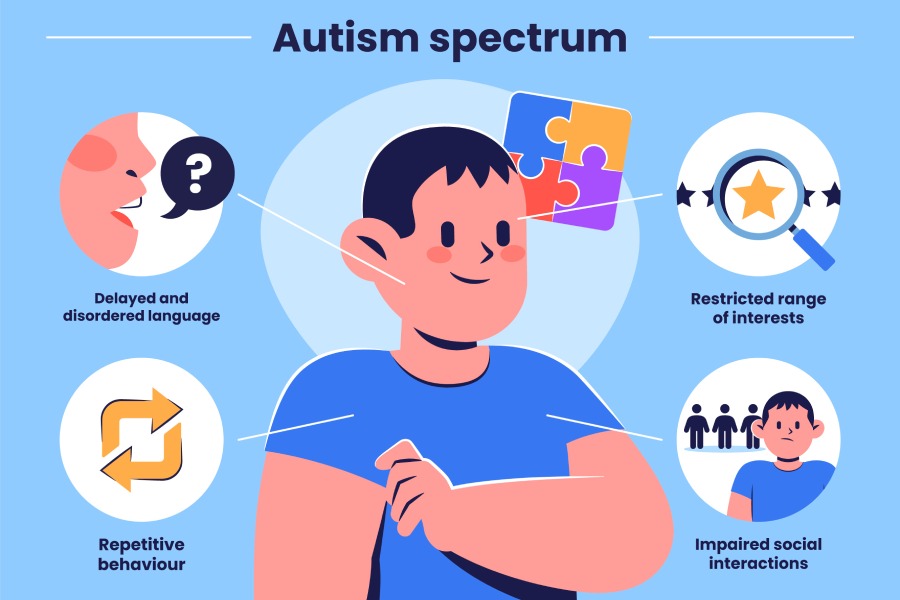
Common Sensory Sensitivities
Visual Sensitivities
- Bright lights: Fluorescent bulbs can feel like a spotlight on a stage. Patterns: Stripes or busy designs may resemble a kaleidoscope gone rogue. Clutter: A room that looks like a Pinterest board can feel like a maze.
Girls often report that “the world is too bright.” A study found that 70% of autistic girls experience visual overstimulation, especially in crowded environments like school cafeterias.
Auditory Sensitivities
- Background noise: Even a whisper can feel like a drumroll. Certain frequencies: Some sounds—like the hum of a blender—trigger intense reactions. Unexpected sounds: A sudden door slam can feel like a thunderclap.
When asked, many autistic girls say they “hear the world in high definition.” Auditory hypersensitivity can lead to social withdrawal, as the noise of conversation becomes a battlefield.
Tactile Sensitivities
- Clothing tags: A tiny tag can feel like a swarm of bees. Textures: Smooth surfaces may feel rough; rough surfaces may feel smooth. Physical touch: Even a friendly hug can feel invasive.
Tactile hypersensitivity is the most frequently reported sensory issue among autistic girls. It often leads to selective clothing choices and a preference for “soft” textures.
Olfactory and Gustatory Sensitivities
- Strong smells: Perfume, cleaning products, or even the scent of a new book can trigger nausea. Taste aversions: A single ingredient can make a dish unpalatable.
While not as widely discussed, olfactory and gustatory sensitivities can profoundly affect daily life, from school lunches to social gatherings.
Why These Sensitivities Matter
Impact on Daily Life
Imagine trying to focus on a math problem while the fluorescent lights buzz and the cafeteria hums. For autistic girls, sensory overload can be a daily hurdle. The result? Lower academic performance, increased anxiety, and a sense of being “out of sync” with peers.
Social and Emotional Effects
The social world is a minefield of sensory cues. A loud laugh or a sudden touch can feel like a bomb blast. Consequently, many autistic girls develop social anxiety Not showing or sharing objects or avoid group activities altogether. This avoidance can reinforce isolation, creating a vicious cycle.
> “Sensory overload isn’t just a nuisance—it’s a barrier to participation.” – Dr. Emily Hart, Autism Researcher
Strategies for Support
Creating Sensory‑Friendly Environments
- Lighting: Use natural light or dimmable lamps. Noise control: Noise‑cancelling headphones or white‑noise machines can help. Clutter reduction: Keep surfaces tidy and organized.
Small adjustments can turn a chaotic classroom into a calm learning space.
Communication Tips
- Clear cues: Use visual schedules or checklists. Quiet moments: Offer a “calm corner” where the girl can retreat. Empathy: Validate feelings—“I hear you’re overwhelmed.”
When the communication style matches the sensory profile, frustration decreases and confidence rises.
Self‑Advocacy and Empowerment
Teaching autistic girls to recognize their sensory thresholds empowers them to request accommodations. A simple “I need a quiet space” can be a powerful tool in school and beyond.
A Personal Anecdote
During a school field trip to a bustling science museum, Maya—an 11‑year‑old autistic girl—felt her senses flooding. The bright LEDs, the constant chatter, and the scent of popcorn converged into a sensory storm. Her teacher noticed her distress and guided her to a quiet corner, dimming the lights and offering a noise‑cancelling headphone. Maya emerged calmer, able to engage with the exhibits without feeling like she’d been swallowed by a sensory vortex. That small intervention turned a potentially traumatic experience into a memorable learning moment.
Making Sensory Sensitivities Work for You
Understanding what are the sensory sensitivities typical in autistic girls? is the first step toward creating supportive environments that respect individual needs. By recognizing visual, auditory, tactile, and olfactory/gustatory challenges, caregivers and educators can tailor strategies that reduce overwhelm and boost confidence.
Remember, the goal isn’t to “fix” sensory sensitivity—it’s to navigate the world in a way that feels safe and Click for more info empowering. If you’re a parent, teacher, or friend, start by observing, asking, and listening. Ask: “What’s bothering you right now?” and follow up with practical adjustments.
The next time you encounter a bright light, a sudden noise, or an unexpected texture, consider how it might feel for an autistic girl who’s already juggling a million sensory inputs. A few thoughtful tweaks can transform a day from chaotic to calm, and a girl from overwhelmed to engaged.
*Take the first step today: create one sensory‑friendly space in your home or classroom and watch the difference it makes.*